News
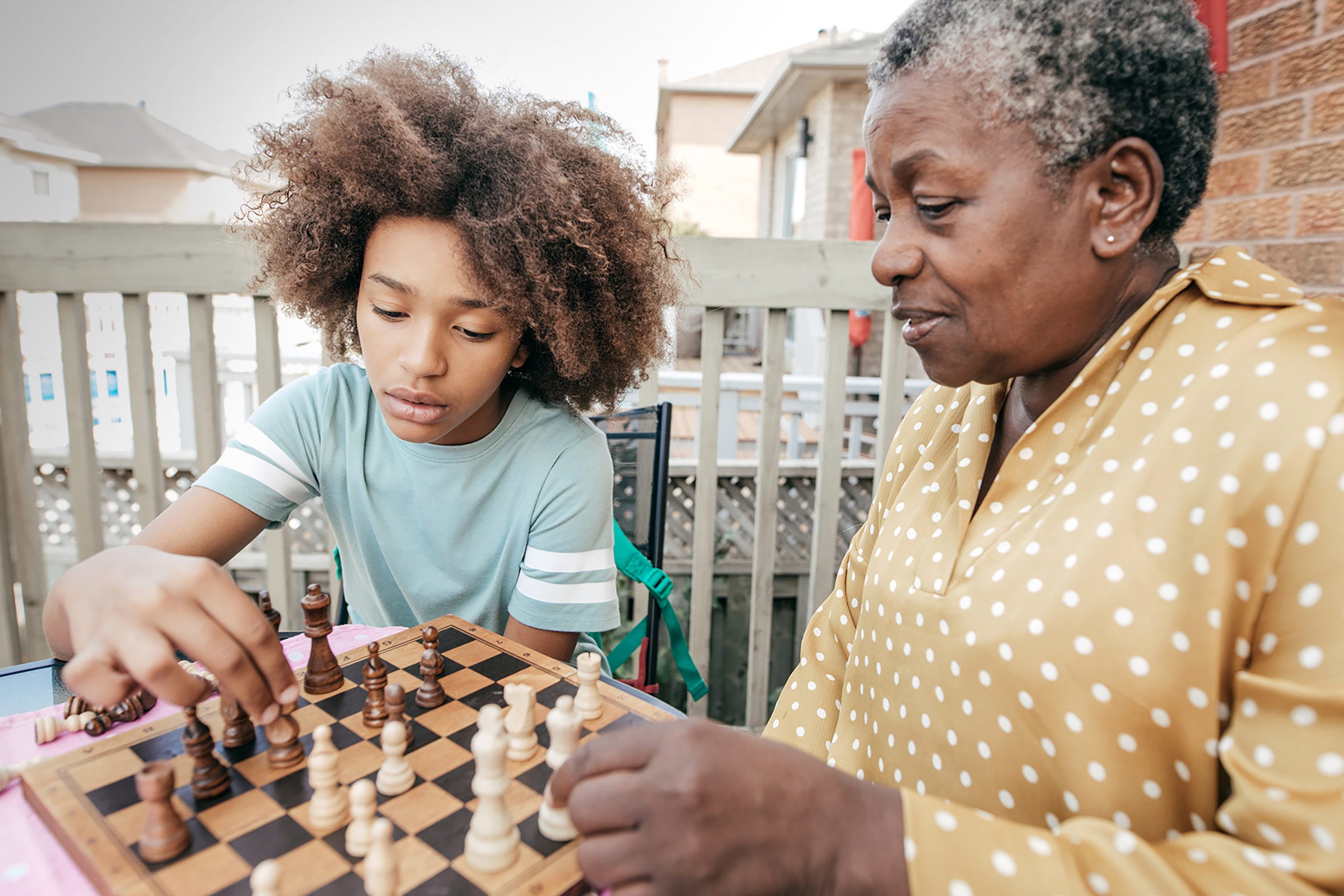
Helping Others Shown To Slow Cognitive Decline
Regular volunteering or helping others outside the home can reduce the rate of cognitive aging by 15-20%.

This Enzyme Plays a Key Role in Protecting Cells from Aging and Disease
Researchers from UT Austin have discovered insights about an enzyme that can protect cells from oxidative stress.

In-Person Contact Linked With Lower Levels of Loneliness in Older Adults
Despite our hopes for technological ways to bridge connections between older adults and social partners, phone and digital contact cannot alleviate loneliness in the same way.

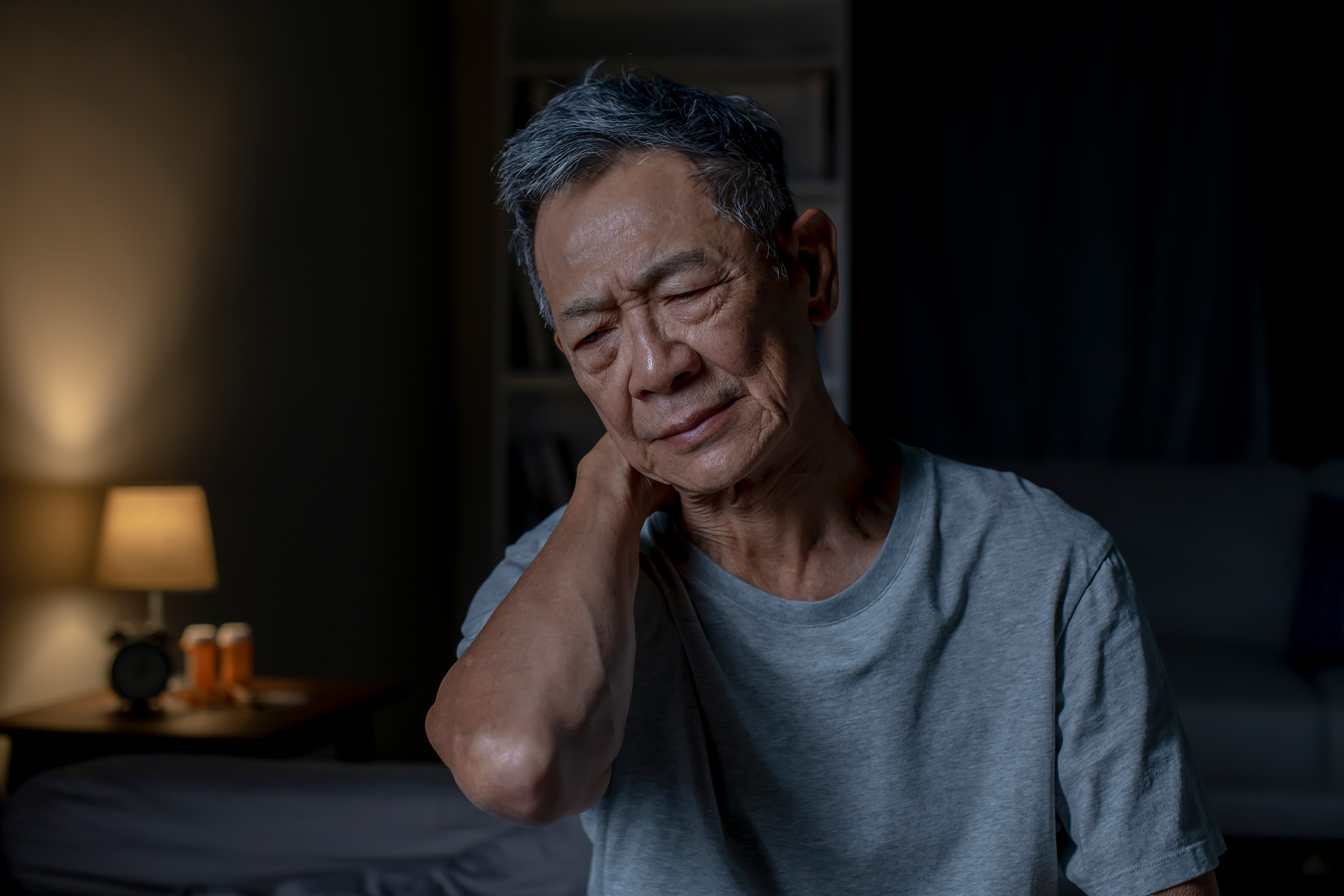
Better Sleep Can Reduce Worry and Rumination in Older Adults
People’s perceptions of their sleep also proves to have stronger associations with their worry and rumination than objective sleep quality monitored with a device.
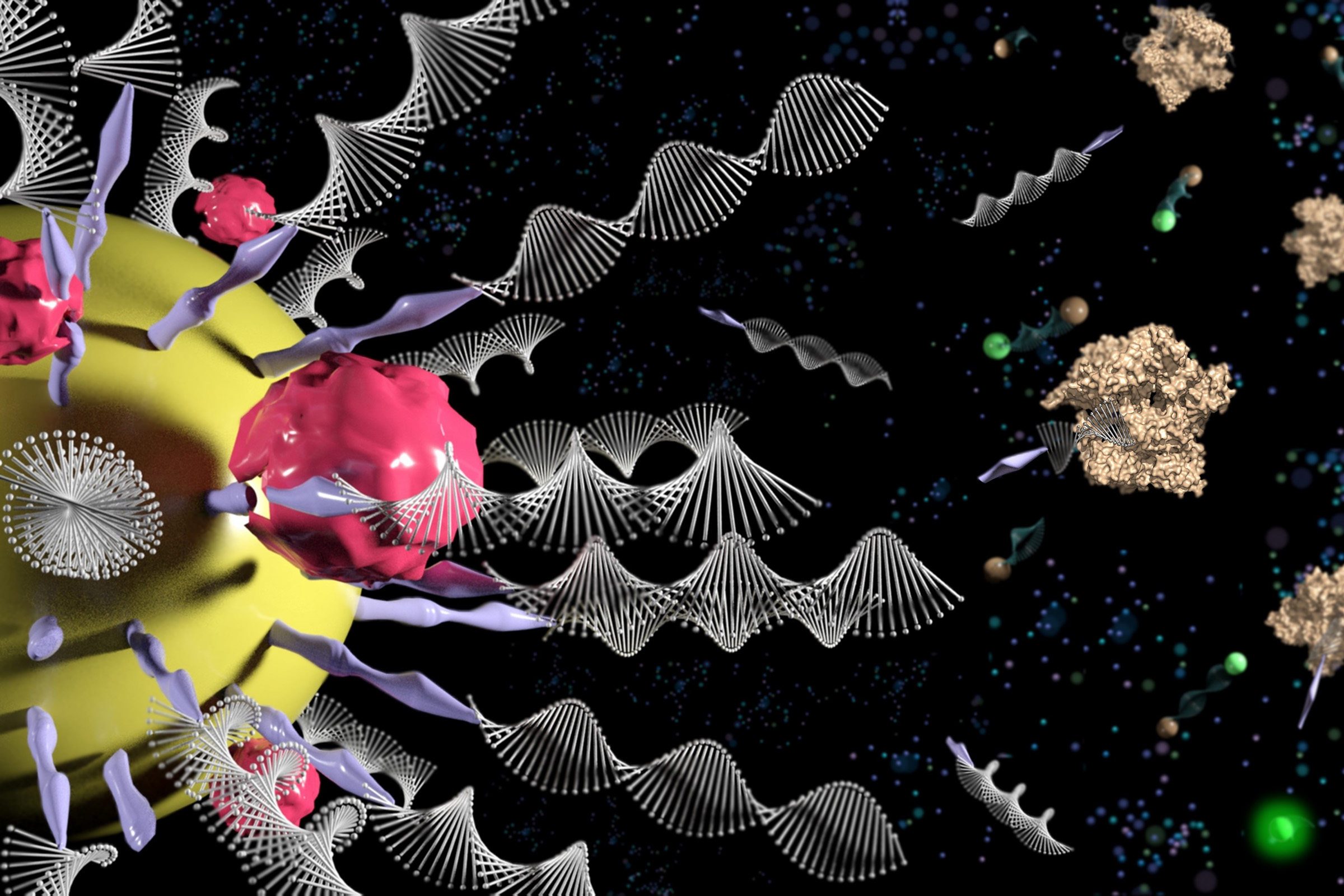
New Sensors Could Detect Cancer and Other Diseases Earlier and More Precisely
Devleena Samanta led a team to develop a new kind of sensor that can be used to find unique fingerprints of cancers, infections and neurodegenerative diseases.
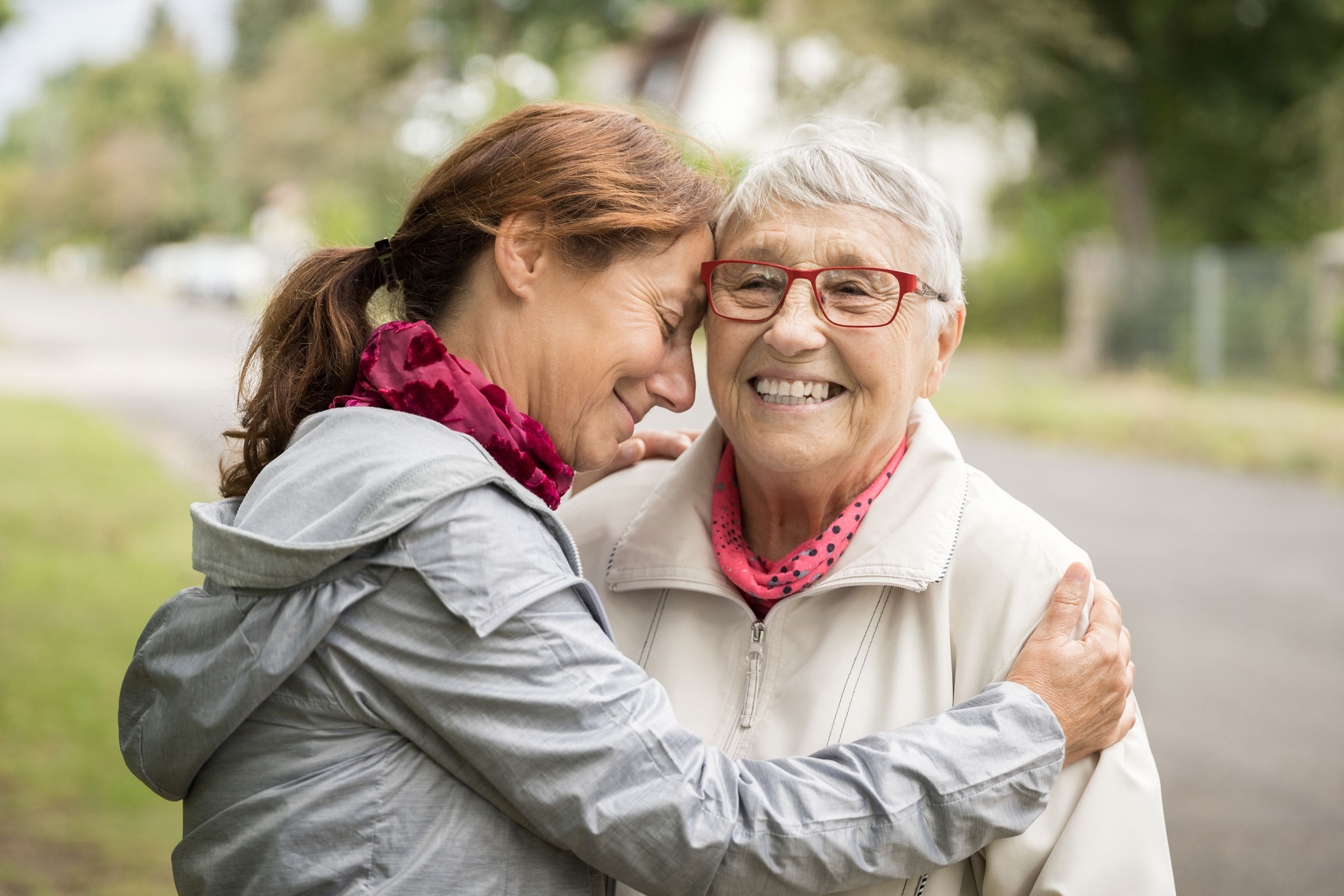
Caregiving Can Be Stressful, But It Could Also Lower Risk of Depression
Becoming a caregiver to an older relative can decrease risk of depression.
The Neighborhood You Grow Up in May Impact Your Cognitive Health Decades Later
Jean Choi, Elizabeth Muñoz and collaborators identified associations between neighborhood cohesion and cognitive health.

Newfound Link Between Alzheimer’s and Iron Could Lead to New Medical Interventions
A novel imaging method using DNA-based fluorescent sensors is yielding new insights about the progression of Alzheimer’s disease.
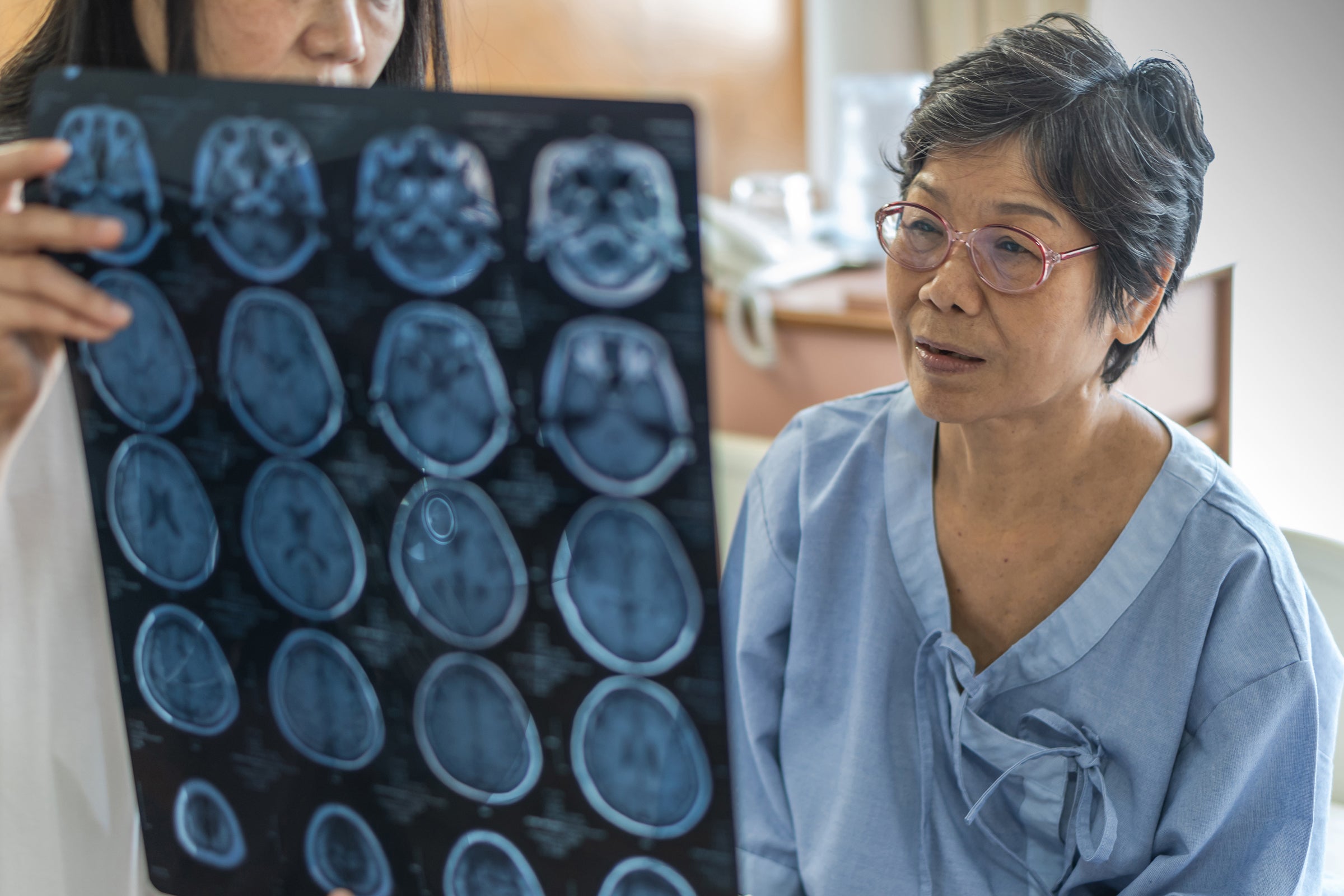
The Brain’s Internal Compass is More Complex Than Once Thought
New details about how the brain senses orientation might lead to earlier Alzheimer’s detection.

7 Insights About Aging from UT Researchers
In honor of International Day of Older Persons, learn about insights from UT Austin researchers related to aging and older individuals.