
Research
TIDAL supports interdisciplinary studies across Texas in aging, neuroscience, clinical intervention and community‑engaged research.
Research Areas
Explore faculty conducting research in the following areas.
Partnering in Aging Research :
Affiliated Centers and Initiatives
TIDAL coordinates a network of UT research centers focused on gerontology, brain health, population science and clinical innovation to strengthen research and services for older adults. Learn more about our collaborators.
Center for Aging and Population Sciences (CAPS)

UT’s Center for Aging and Population Sciences (CAPS) is one of only 15 National Institute on Aging-funded Centers on the Demography and Economics of Aging in the United States. Based at UT, it advances interdisciplinary research on aging, population health and cognitive well‑being, galvanizing research illuminating how biosocial, relational, socioeconomic and institutional forces cascade across the life course to generate disparities in health and aging.
UT’s Center for Aging and Population Sciences (CAPS) is one of only 15 National Institute on Aging-funded Centers on the Demography and Economics of Aging in the United States. Based at UT, it advances interdisciplinary research on aging, population health and cognitive well‑being, galvanizing research illuminating how biosocial, relational, socioeconomic and institutional forces cascade across the life course to generate disparities in health and aging.
Population Research Center (PRC)

UT’s Population Research Center (PRC) supports cutting-edge research that takes a population-level approach to understanding social problems and promoting human health and well-being, including for older populations. Research coalesces around four thematic areas: Population Health and Well-Being; Reproductive, Maternal, and Infant Health; Family Demography and Human Development; and Education, Work, and Institutions.
UT’s Population Research Center (PRC) supports cutting-edge research that takes a population-level approach to understanding social problems and promoting human health and well-being, including for older populations. Research coalesces around four thematic areas: Population Health and Well-Being; Reproductive, Maternal, and Infant Health; Family Demography and Human Development; and Education, Work, and Institutions.
Mulva Clinic for the Neurosciences
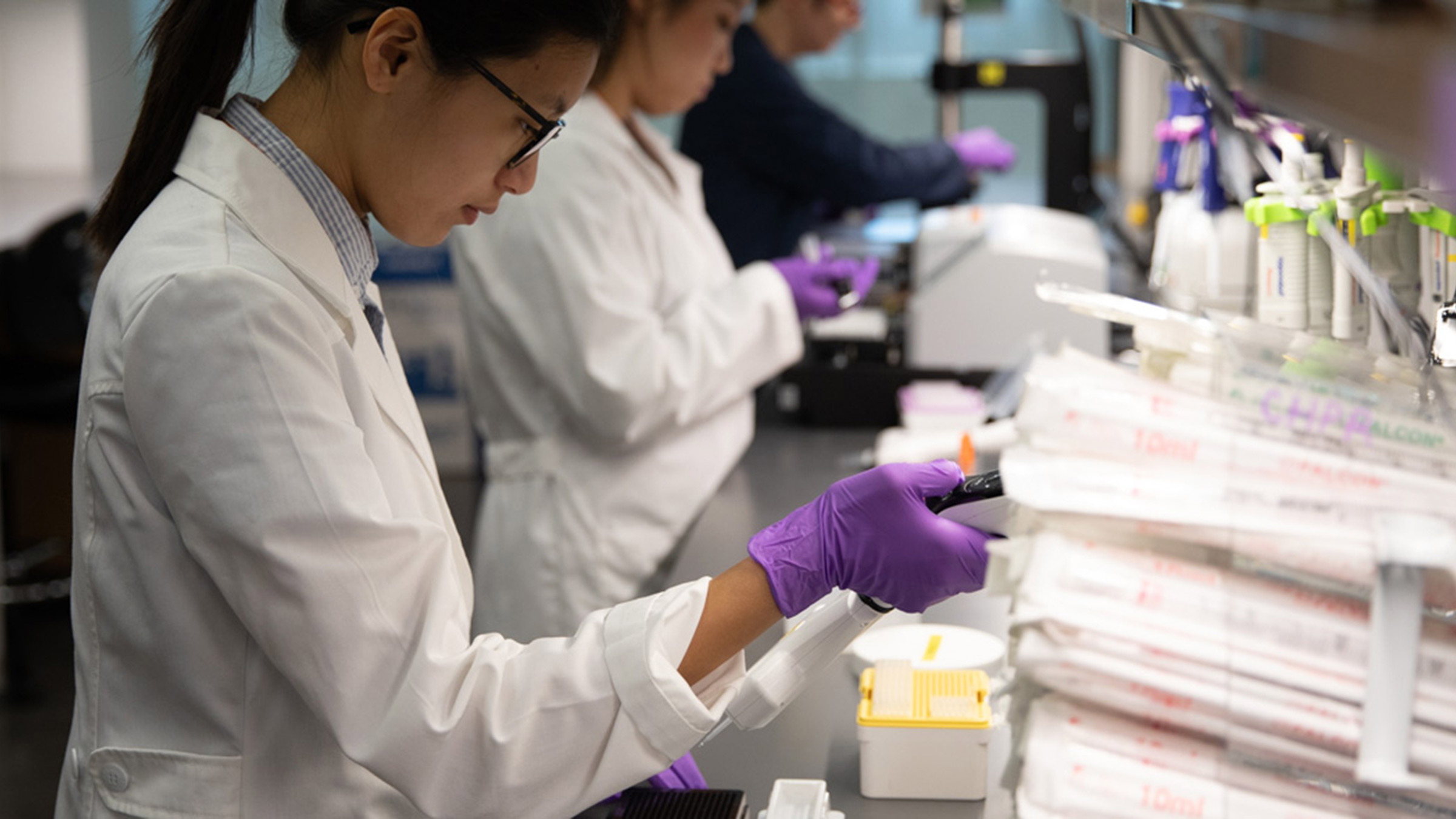
Founded in 2016 with a desire to improve the lives of individuals and families affected by neurological and psychiatric disease, the James J. and Miriam B. Mulva Clinic for the Neurosciences at UT is advancing patient care and neuroscience research. The clinic encompasses three departments — neurology, neurosurgery, and psychiatry and behavioral sciences — that conduct multidisciplinary research in the field of neurosciences within Dell Med and its training facilities.
Founded in 2016 with a desire to improve the lives of individuals and families affected by neurological and psychiatric disease, the James J. and Miriam B. Mulva Clinic for the Neurosciences at UT is advancing patient care and neuroscience research. The clinic encompasses three departments — neurology, neurosurgery, and psychiatry and behavioral sciences — that conduct multidisciplinary research in the field of neurosciences within Dell Med and its training facilities.
Luci Baines Johnson and Ian J. Turpin Center for Gerontological Nursing

UT’s Luci Baines Johnson and Ian J. Turpin Center for Gerontological Nursing (LBJ/IJT-CGN) seeks to understand the nature of aging and the diseases and conditions associated with growing older. The center supports excellence in gerontological nursing education, research, and practice by preparing nurses to effectively lead care for older adults while positively impacting communities where we live and work.
UT’s Luci Baines Johnson and Ian J. Turpin Center for Gerontological Nursing (LBJ/IJT-CGN) seeks to understand the nature of aging and the diseases and conditions associated with growing older. The center supports excellence in gerontological nursing education, research, and practice by preparing nurses to effectively lead care for older adults while positively impacting communities where we live and work.
Center for Healthcare Innovation and Technology Advancements (CHITA)

UT’s Center for Healthcare Innovation and Technology Advancements (CHITA) drives interdisciplinary research to improve health outcomes through person‑centered technology solutions that address real‑world challenges for patients, families and clinicians. Led by Director Dr. Bo Xie, CHITA serves as a launchpad for future healthcare innovations.
UT’s Center for Healthcare Innovation and Technology Advancements (CHITA) drives interdisciplinary research to improve health outcomes through person‑centered technology solutions that address real‑world challenges for patients, families and clinicians. Led by Director Dr. Bo Xie, CHITA serves as a launchpad for future healthcare innovations.
Gerontology Resources and the Aging Community in Education (GRACE Program)
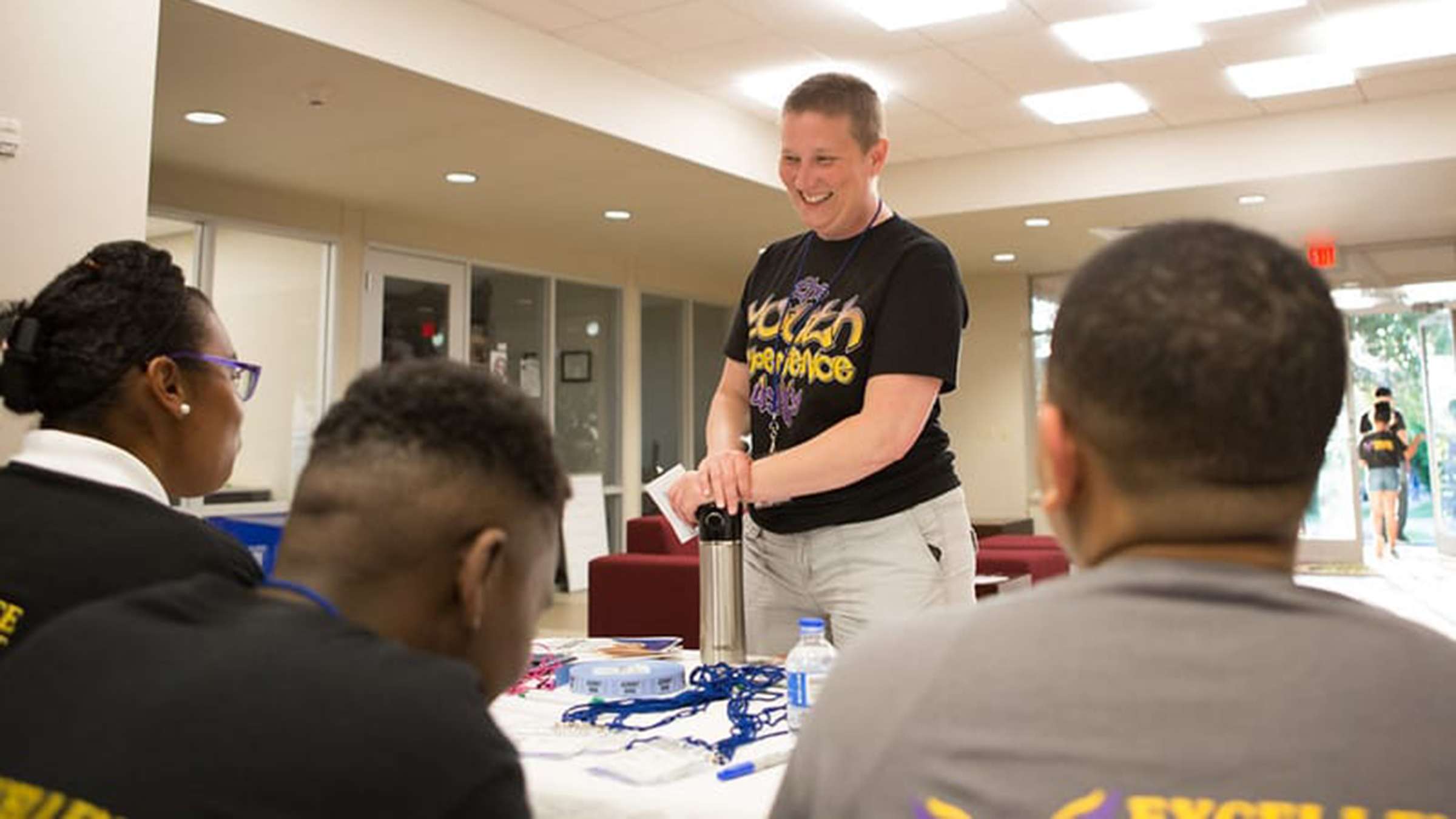
The GRACE Program is a practicum-based learning program at UT designed to increase students’ knowledge of and experience with older adults. Led by Joan Asseff and Anna Finger of the School of Social Work, the program combines hands‑on internships in aging‑service agencies with specialized educational events held throughout the year.
The GRACE Program is a practicum-based learning program at UT designed to increase students’ knowledge of and experience with older adults. Led by Joan Asseff and Anna Finger of the School of Social Work, the program combines hands‑on internships in aging‑service agencies with specialized educational events held throughout the year.

Context for Research
Across a variety of themes — from technology to cancer — TIDAL is uniquely positioned to advance the most important aging research, translational projects and community‑based initiatives: ones that with transformative potential to affect late-in-life health and well-being outcomes.

Get Involved
Learn how to participate in research efforts at UT Austin designed to promote greater understanding of issues linked to dementia and experiences late in life and for caregivers, promote healthy aging and longevity across Texas and explore new pathways to treatment and care. Several studies are enrolling now.